When transporting a valuable, luxury, classic, exotic, or collector car, a freshly detailed vehicle protection is usually the main concern. Are you curious if enclosed transport can lessen debris exposure? Yes, enclosed auto transport can lessen a vehicle’s exposure to road debris, weather, dust, loose gravel, insects, and other highway elements compared to open transport.
Just because a vehicle doesn’t require open transport, doesn’t automatically mean it will require an enclosed auto transport. We often use open transport for many types of day-to-day drivers. But enclosed transport can be a smart choice when conditions, presentation, paint quality, or collector value matter. This guide explains how enclosed trailers help, when to consider them and how to prepare your vehicle before you book with us.
Ascertain what it means to be exposed to road debris
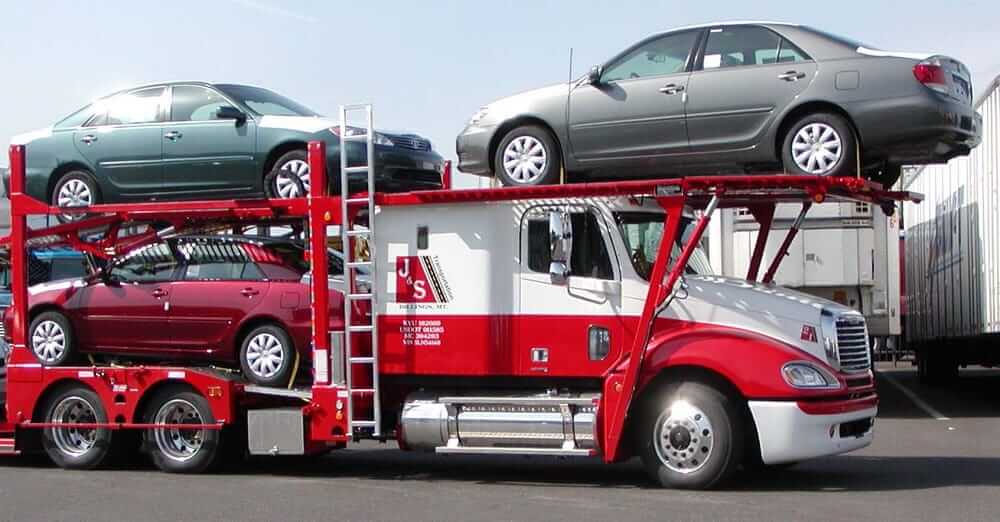
Road debris is a term that refers to anything a vehicle strikes while driving on interstate or local roads. It includes small stones, gravel, tire rubber, dust, salt, mud, insects, leaves, construction particles, etc. An open car carrier transports vehicles outdoors, exposed to normal road conditions during transit.
For a basic passenger vehicle, this exposure level is acceptable. The carrier has secured the vehicle and is transporting it. But it is still outside. If we have to take winter roads, construction areas, heavy rain and/or dusty highways, the car could arrive dirty or more exposed than expected.
A vehicle is transported inside the trailer. It is a barrier that reduces the contact of debris and pollution outside. For cars with sensitive paint, unique finishes, ceramic coatings, chrome trim, or collector value, that difference can be important.
Decide if your vehicle needs enclosed protection
The next step is determining if enclosed transport applies to you. Consider what you would worry about most during transport. Vehicle is rare? Has it been restored recently? Is it a landing for a show, auction, buyer or collector storage place? Does the vehicle have low ground clearance, custom paint or expensive wheels?
If yes, then enclosed shipping may be worth considering. A classic Porsche, a restored Mustang, an exotic Lamborghini collector SUV, a luxury sedan, or a high-end EV can use this.
Can enclosed transport lessen contact with road debris? And, this function becomes particularly beneficial when appearance is important. Enclosed trailers don’t fully negate transport risk but lower the level of common exposure found on public roads.
For daily drivers, open transport could still offer better value. When appearance and protection matter most, you have an enclosed transport option that offers a higher level of care.
Inquire About Trailer Kind and Loading Mechanics
There is a difference in enclosed trailers. Some have a single-car enclosed trailer, others carry multiple vehicles. Some provide liftgate loading, soft straps, low-angle ramps, or special handling for low-clearance vehicles.
Prior to making a reservation, inquire about the enclosed trailer model that will be utilized and whether it is compatible with your vehicle. If your vehicle has low ground clearance, has a front splitter, custom body kit or sensitive underbody components, inquire about liftgate or low angle loading. Verify that the vehicle will fit if it is oversized, tall, or modified.
Give the year, make, model, mods, any ground clearance issues, pickup location, drop location, and timing please. Using better details match car with better transport plan.
Pre-setup the Car Just Before Pickup
Preparation is necessary even with enclosed transport. In order to allow for a clear examination by the driver, wash the outside area. Scratches, chips or marks may be present under dirt Ensure that you carefully take a picture of every angle of the vehicle. This can include one of the front, back, side, top, wheels, glass, fittings, interior, odometer, and issue that the vehicle already has.
Take out any personal belongings, valuables, toll tags, dash cams, parking tags, loose accessories, garage remotes and anything else that may move while en route. Inquire whether you should use the removable car cover only when it is parked or when it is being driven as well. If not fitted properly, covers can move or rub.
Examine the air pressure of the tires. Keep the fuel tank around 1/4 full unless directed otherwise. Keep your personal key ring with you, but prepare one working key or fob for the driver.
Write clearly if the vehicle has special requirement to start, alarm instructions, suspension lift setting, or transport mode.
Assess the Value of Protection against the Cost
Enclosed transport tends to be more expensive than open transport. Therefore, you must weigh the price difference with the value of extra protection. According to some owners, the cost is easy to justify due to its rarity, high cost, new paint job or unique repairs. Open transport might be rational for some people.
Consider the entire picture, and not just the shipping cost. Enclosed transport can help maintain presentation if the vehicle goes straight to a buyer, auction, show or detail-sensitive delivery. If a daily runner that shows normal wear, then open transport may be more viable.
The choice should depend on the value as well as condition of your vehicle the route the season or conditions of the weather and your comfort level. A good transport choice is one that is best suited to the car, not to the budget.
Closing Remarks
Can enclosed transport reduce exposure to roadway debris? Indeed, an enclosed automobile and motorcycle transport will minimize its exposure to flying gravel, road dust, salt, insects, rain, snow, and other highway impacts. Especially for luxury , classic , exotic, collector , restored or low clearance vehicles.
Before making a reservation, think about how much protection you need for your car, ask about the type of trailer and loading equipment, prepare the car in advance, and take a picture of it. For enclosed auto transport advice and shipping services for specialty vehicles, visit https://www.car-transport.org/.
