
Classic cars can act as collectibles or investments, but due to their age and high-value nature, as well as the need for specialist handling, many classic car owners ask are there any restrictions to classic car shipping?
The short answer: Yes, but they’re designed to protect your vehicle, not limit you.
Classic car transport can require additional steps with special equipment, inspection and preparation. Knowing what limits a transport company will place on your vehicle helps to ensure your vehicle’s safety and condition. On this page you’ll learn exactly what the limitations are and how to work with a professional transport company like Car-Transport.org to get your car moved efficiently and safely.
Understand Why Classic Cars Have Shipping Restrictions
However, before we get into those restrictions we should discuss why classic cars need more structure.
Key reasons classic cars need special treatment:
- Fragile components that can be easily damaged
- Higher dollar value, requiring additional insurance
- Special storage conditions when being transported
- Unusual shapes or low ground clearance, obstructing loading
- Possibility of parts shortage requires extra protection
Older vehicles cannot be moved around like modern vehicles, and so restrictions are in place to ensure the safest environment possible for transporting old vehicles.
Learn the Most Common Restrictions in Classic Car Shipping
Classic cars must meet certain requirements set by carriers. Knowing these requirements will prepare you and save you from delays.
1: Enclosed Transport Is Often Required
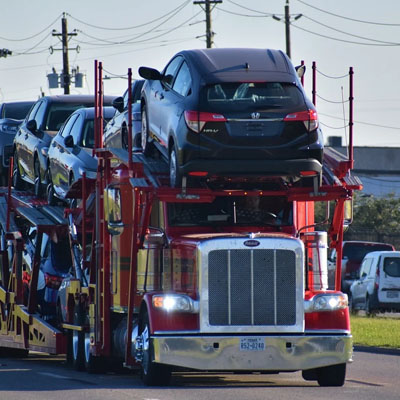
Many carriers, however, prefer not to ship classic vehicles on open transport as the vehicles would be exposed to weather and road debris.
Enclosed transport provides:
- Full protection from the elements
- Soft tie-down systems
- Low-level or liftgate loading
- Improved security
2: Limited Loading Height and Clearance
Classic cars tend to have lower ground clearance than cars manufactured today. This means:
- Standard ramps may not be safe
- Carriers must use hydraulic liftgates
- Requires slow, specialized handling during loading
This may limit the number of carriers who can transport your vehicle.
3: Insurance Requirements
Many shipping companies require:
- Proof of insurance
- Additional coverage for shipment of high-value cars
- Higher liability limits
These restrictions protect both you and the carrier.
4: No Personal Items Allowed Inside
Carriers do not generally allow personal items in classic cars:
- Extra weight increases risk or damage
- Loose items can shift and damage the interior
- They are not covered by your insurance
5: Running Condition Must Be Communicated
Some classic cars do not run or may require:
- Winching
- Special equipment
- Additional handling time
Non-running vehicles must be disclosed, as not all carriers will accept them.
How to Prepare Your Classic Car for Shipping (Step-by-Step)
By following these tips on how to prepare your classic car for shipment, you can avoid issues on the day of shipping.
Step 1: Document the Vehicle’s Current Condition
Take clear photos of:
- Exterior
- Interior
- Underbody
- Engine bay
- Any existing blemishes
This will protect you in case of a dispute, and give you peace of mind.
Step 2: Secure Loose Parts
Classic cars often have:
- Delicate trims
- Removable mirrors
- Soft-top mechanisms
- Custom accessories
Secure loose items for the trip or remove them.
Step 3: Check Fluids and Battery
Make sure:
- There are no leaks
- Fluids are at safe levels
- The battery is charged
If the car is not driveable, notify the carrier ahead of time for preparation in advance.
Step 4: Empty the Vehicle
Remove:
- Personal items
- Tools
- Aftermarket electronics
Extra weight affects tie-down balance and safety.
Step 5: Choose the Right Transport Type
While open carriers are common for everyday vehicles, enclosed carriers are strongly recommended for classic cars. These offer climate protection and secure handling.
Work With the Right Auto Transport Company for Classic Cars
Not all car transport services will be used in dealing with classic or vintage cars, so do your research and only use a service that specifically caters for the needs of older cars.
What to look for in a classic car carrier:
- Vintage automobiles draw interest
- Enclosed transport options
- High insurance coverage limits
- Soft strap tie-down systems
- Hydraulic liftgate loading
- Transparent communication and tracking updates
Why customers trust Car-Transport.org:
- They match you with transportation companies specializing in classic cars
- And climate-protected transporters form part of their network.
- They ensure every driver meets strict classic-car handling standards
- They provide personalized route planning and support
- Their team understands the financial and emotional value of vintage cars.
In the real world, car owners shipping classic cars will often prefer the attention given at targeted services such as Car-Transport.org.
Avoid Common Mistakes When Shipping a Classic Car
Even minor mistakes can have major consequences. The following are some classic-car shipping mistakes:
❌ Not choosing enclosed transport
Even short trips leave your car at unnecessary risk.
❌ Failing to disclose mechanical issues
Even short trips leave your car at unnecessary risk.
❌ Leaving extra items inside
This also may result in delays or the carrier rejecting the pickup.
❌ Booking with the cheapest carrier
This violates insurance terms and increases the likelihood of damage.
❌ Not reading the carrier’s restrictions
Classic cars require high-end service, unlike bargain-bin.
Companies may have other age, value, or handling requirements. If you follow these guidelines, your visit will be successful.
Final Thoughts: Classic Car Restrictions Protect Your Investment
Yes, additional restrictions apply when shipping classic cars. But ultimately, these restrictions are there to ensure the safety of your classic car. Most transport companies require or recommend enclosed transport to protect them from the elements and debris. The insurance for enclosed transport is usually more expensive and may require declared value, appraisals or photos. Because many classics have low ground clearance, weak chassis, or custom parts, soft tie-downs, winches and gentle ramp angles are often used to avoid damage. There may be some preparation needed for transport: securing a loose battery, checking tire pressure, disabling an alarm system, sealing leaks, and removing loose items or accessories. Although this can make routing and scheduling less flexible, the benefit of this added care is so much less risk. For a safe, reliable and stress-free transport experience, Car-Transport.org has a dedicated network of specialized carriers and experienced staff who will make sure your classic is transported with the utmost care.
