Wide-body vehicles turn heads wherever they go. When it comes to transporting oversized builds, extra planning is required. Things like exotic supercars with custom fender flares, lifted luxury SUVs and heavily modified muscle cars are certainly not easy to deal with. One of the most common questions owners have is whether enclosed carriers can effectively manage non-typical dimensions.
The answer is yes, you may be able to book the transport of a wide-body vehicle. However, it’s important to note that it’s not always as simple as just booking standard auto transport through your auto shipper. The safe transport of vehicles largely depends on their different dimensions like trailer specifications, loading angles, expertise of the carrier, etc.
Knowing how enclosed transport works for oversized vehicles can help owners avoid delays, surprise charges and unnecessary risks on the road.
Vehicle Measurement Prior To Transport Booking
You must first take the measurement of the vehicle accurately. The majority of owners assume dimensions from factory specs, but modifications can significantly alter the actual width and height.
- Take a measurement.
- Total width of the vehicle including mirrors.
- Fender flare add-ons.
- Clearance and height of the ride.
- Overall length of a vehicle including any splitters or diffusers.
- Height of roof for lifted vehicles
Aftermarket wheels, air suspension systems, and oversized tires often increase dimensions beyond trailer limits with wide-body kits. Even a few extra inches can affect your trailers compatibility.
A factory Dodge Challenger might fit easily inside a standard enclosed trailer, but the example above with a Liberty Walk wide-body kit and deep-dish wheels would not fit in a standard trailer.
Transport professionals listed here https://www.car-transport.org/.usually ask for precise measurements before assigning a carrier. Information used in scheduling should be correct to avoid loading complications and delays.
Learn More About Enclosed Carriers Types
Not all enclosed carriers have the same quality. Some are meant for regular passenger cars, while others are outfitted for exotic, oversized, or customized cars.
There are many common types of enclosed trailers.
- Typical enclosed trailers.
- Carriers for enclosed liftgates
- Top-notch durable trailers.
- Transporters for multi-car racing events.
- Bespoke large enclosed trailers.
Most luxury and classic vehicles will fit in a standard enclosed trailer, but extremely wide vehicles may require something custom.
For low-clearance wide-body cars, liftgate trailers are often preferred as they reduce steep loading angles. This reduces the likelihood of scraping custom bumpers, side skirts, or splitters when unloading and loading.
A hard-sided enclosed carrier will offer a higher level of protection against weather, debris, and other impacts making it ideal for high-value custom vehicles.
If you have a rare exotic car or a heavily modified vehicle, be sure to ask about trailer dimensions and loading.
Make Sure to Ask the Right Questions Before Scheduling Later
Most transportation problems occur because the owner assumes the carrier has the capability of the vehicle without verification. When you ask the right questions, the uncertainty is removed. Thus, there will not be any last-minute surprises.
What is the maximum width of a trailer?
Each enclosed carrier includes a width limitation. Some trailers can easily carry a wide-body sports car, while others can’t.
Can the Trailer Operate at Low Ground Clearance?
Widely-bodied vehicles often sit lower than factory-built models. Make sure you check the trailer for ramps or a liftgate for your low clearance car.
What methods of tie-down are used?
Owners of modified vehicles often prefer soft straps as they relieve pressure on suspension and custom wheels.
Has the company transported similar units before?
Expertise is essential when dealing with large or unique vehicles. A company experienced with modified builds is much more likely to carry out a safe load.
Will You Need To Pay More?
Due to their size, wide-body vehicles may need single-vehicle enclosed transport or cost greater trailer space.
Seasoned transport companies will provide a clear answer to these questions rather than vague or general responses.
Properly Prepare the Vehicle for Enclosed Shipping
After you confirm the carrier has an ability to carry the vehicle, the next step is proper preparation. Vehicle modifications necessitate extra care prior to transport.
Begin with a good wash of the exterior so any imperfections can be properly documented. Capture thorough images from multiple angles with focus on.
- Fender surrounds.
- Skirt Sides.
- Rims and treads.
- Leading Edge.
- Back diffusers.
- Paint quality.
Individuals who drive wide-body cars should check tire pressure. Loading issues can arise with oversized wheels and improper tire inflation.
If the car has adjustable suspension, lift it a little before pickup when able. Improved ramp clearance during loading achieved.
Remove or secure loose after-market components, such as.
- Spoilers can be removed.
- Tailored canards.
- Lip fillers
- Storage racks.
- Outside gadgets.
Some owners also deactivate the alarm system so it doesn’t drain the battery on long runs.
Vehicle preparation tips for modified and oversized vehicles are often provided to prevent transport problems.
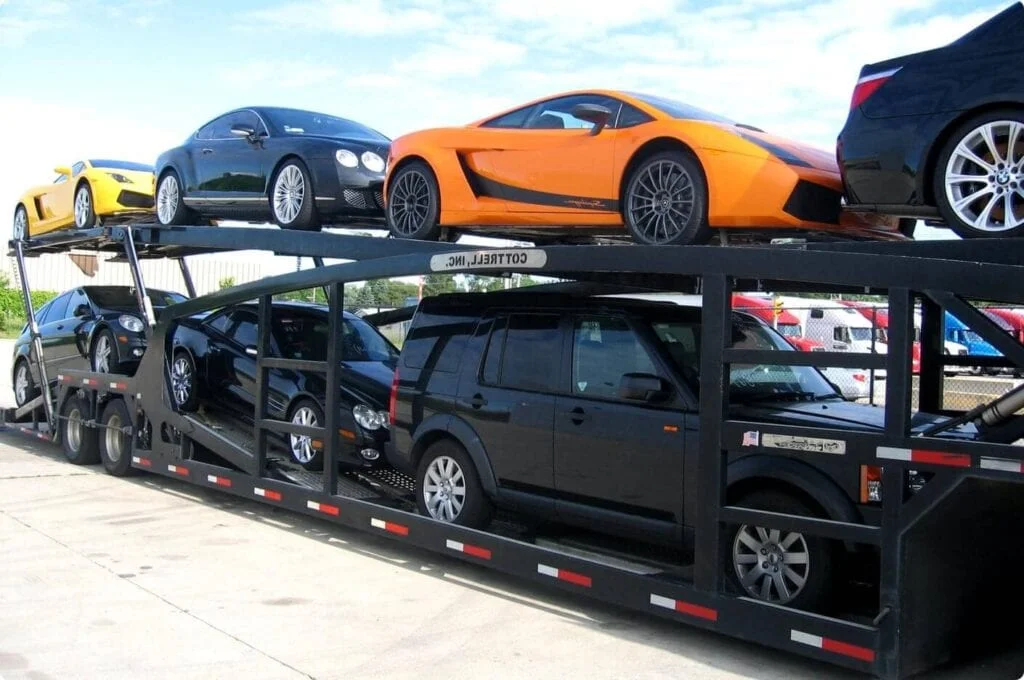
What Is Enclosed Transport And Why It Matters
Enclosed transport provides a greater level of security than what is provided by open carriers for wide-body vehicles.
Shielding From Road Debris
When we drive down the highway, rocks and debris can easily damage custom paint, carbon fiber parts, and wide fenders.
Less Exposure to Weather
Paint finishes and delicate aftermarket materials affected by rain, dust, UV rays and snow.
Improved Safety
Having a trailer that keeps your vehicle away from prying eyes is an effective way to protect it.
Expert Handling
Most enclosed transport companies that handle oversized vehicles equip their trucks with drivers experienced with also luxury, performance, and collector cars.
Reduced Probability of Cosmetic Damage
During loading and unloading, wide-body kits are vulnerable. There are special enclosed carriers that lessen these chances.
Real-world examples reveal the significance of enclosed transport. When vehicle owners move to automotive shows such as SEMA or Barrett-Jackson, they usually go with an enclosed carrier only as even the smallest cosmetic damage can impact appearance or value of the vehicle significantly.
Can enclosed carriers fit wide-body vehicles? Most definitely, absolutely yes. While the process can be easy, careful planning, correct measuring, experienced transport experts and the right type of enclosed trailer suitable for the dimensions of the vehicle can help ensure success.
Owners can confidently transport modified vehicles with peace of mind about their appearance and ultimately.
