
If you have a classic car, you will want to protect it throughout the entire year. However, winter can pose a few additional issues that owners should get ready for. Vehicle transportation can pose serious challenges during winter, as the conditions are simply not conducive. Can Classic Cars Be Ship During the Winter Season? It is possible to move them successfully, as long as they are moved properly, at the right time and prepared properly.
Are you relocating a classic Mustang to a restoration garage or transporting a collector’s Corvette to a warmer place?Using intelligent and effective winter shipping, you can definitely buy a classic model of a car from out of state or relocating a rare model before spring show season. This guide tells you how you can protect your car and https://www.car-transport.org/.
Choosing the right mode of transport is crucial for wintertime
Choose Between Open or Enclosed: That’s the First Step. Even if most cars are transported on open transport, you should enjoy enclosed shipping if you have a classic car in winter. During winter, a closed trailer keeps your unit safe from all road salt, ice, rain, slush, and debris.
An open vehicle can be fine for daily driving. If your classic car has original paint, chrome trim, sensitive underbody parts or collector value, choose enclosed transport. It helps quite a bit to not get exposed and reach in a much more cleaner and well-protected state.
Using enclosed transport is often a good choice if the vehicle in question is going to an auction, private buyer, show or museum, or restoration facility. Are there any issues shipping classic cars in winter time? What level of protection does this specific classic need is often a better question.
Prepare the Classic Car Ahead of Pickup
Get ready for winter before the carrier arrives. Weather permitting, wash the outside so the driver can perform a clear inspection. A vehicle covered in dust, snow or road grime makes it harder to prove pre-existing scratch or dent damage.
Capture the car via photos from every angle. The images must show the front, rear side, roof, wheels, chrome trim, glass, interior, odometer, engine bay if applicable, and marks. Documentation is important of classic cars because details about the condition matters.
Make sure to empty your car of all your personal belongings. This includes things like display materials, spare parts, tools, trophies, paperwork, toll tags, dash cameras, garage remotes, and any loose accessories. If your vehicle comes with mirrors that can be detached, delicate trimming, loosening emblems, or a cover that can be removed, ask your transport provider how to deal with it.
Check air pressure on a tire, battery, brake, steering and fluid. Make sure you can start your car, as cold weather can weaken older batteries. Please indicate if the unit doesn’t run before booking so we make appropriate loading arrangements.
Traffic and Drop Off Access is essential
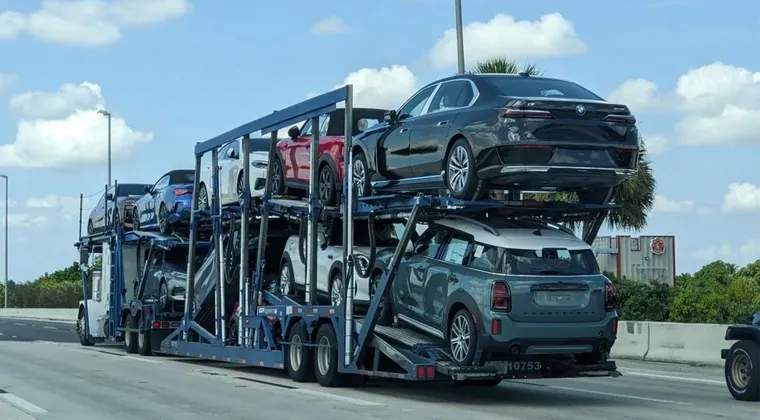
Winter transport often calls for increased flexibility. Weather events including a snowstorm, icy conditions on the road, and closed passes may slow carrier timing. A dependable transportation plan cannot have unrealistic expectations of precise arrival times. Thus, it should have reasonable pick-up and delivery windows.
It is necessary to access the pickup zone. Large carriers need safe areas to stop, load and turn. If you park your classic car in a structure driveway, snowy country road, steep garage entrance or narrow residential street, you better chose a meeting point. It is safer to load from a flat open parking area or commercial area.
For example, if there is a classic Camaro in a garage at the foot of a slippery steep drive, it would be wise to have a pickup in a clear flat area before it gets stuck. As a result, the probability of getting a load is reduced, which assists the driver to handle it carefully.
Ask about any special loading and handling needs
Because classic cars are low to the ground, they should be loaded with care. There could be a number of reasons why a car is hard to drive, including low ground clearance, manual brakes, heavy steering and more. Inform the driver in advance of anything.
Should the vehicle possess low clearance, inquire whether they offer liftgate services, long ramps, or low-angle loading. Be sure to document any specifics pertaining to the usage of the vehicle. If it has a manual transmission, weak brakes, carburetor startup routine etc, be sure to state so. Also note the battery cutoff switch or switch if it is hidden.
Not every driver will be aware of your vehicle’s quirks. One of the greatest ways to guard your automobile against injury and extraneous delays is to openly express oneself. Tell your important staff to review the safety and emergency procedures. Make sure to unplug the battery tender or special storage device if applicable before transport.
Car shipping
They will assist you in contemplating transportation alternatives and formulating questions prior to relocating a classic vehicle in winter.
Inspect Upon Delivery
When the car arrives, make sure to check it and sign the final documents. If delivery takes place amid bad weather or low light conditions, if you can, request the driver to move to the area with light. Check the pick-up photos and report to verify the vehicle.
Check the paint, chrome, glass, wheels, underbody areas if visible, interior and any fragile parts. Even if a car shipped enclosed may appear cleaner than one shipped on open transport, it’s worth checking.
Give car time to acclimatize after delivery if the weather’s been chilly. The best thing to do when you know your RV will used is to store it inside a dry protected shelter. You would more or less follow your usual winter storage practices.
That’s a wrap
Are vintage cars able to be shipped in the winter? If your transport plan includes protection, preparation and flexibility, you can ship classic cars in winter too. Using an enclosed transport is often recommended for those shipping high-value or restored classics. Proper documentation may ease the process as well as plans to pick up at a winter-ready location.
Have your vehicle cleaned and take photos Front, Side, and Back – Near-similar photos like Google map views are good options for you to shoot as well. The battery must be operational, so do your tires. Let them know if special handling is needed if asked. Choose a safe location to load your car. Visit https://www.car-transport.org/cars-transportation/classic-vehicle-shipping-auto-transport-options/ for more information on classic vehicle shipping and enclosed auto transport.
