
Shipping a car is straightforward. Regional, federal and state regulations must be followed. Knowing the regulations by U.S. region can help ensure that delivery is smooth if someone is buying a car out of state, is moving to another state with multiple vehicles, or is shipping to another state within the U.S.
At Car-Transport.org, we help auto shippers understand the regulations that vary when shipping a car from the East Coast to the Midwest, South, and West Coast of the United States. In this article, we’ll show you how the regulations differ in these areas and how you can prepare for them.
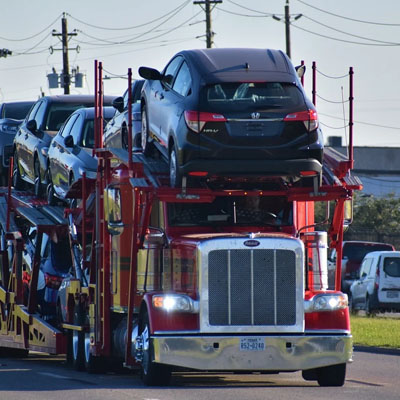
Why Shipping Regulations Differ Across U.S. Regions
Federal agencies such as the FMCSA (Federal Motor Carrier Safety Administration) set the overall groundwork for the way in which transport is handled throughout the United States, while other layers of regulation may be added depending on infrastructure, population density, climate, and traffic.
Factors that influence regional regulations include:
- Weather patterns that affect seasonal travel restrictions
- Urban vs. rural infrastructure, impacting carrier accessibility
- State environmental laws governing emissions and idling
- Weight restrictions on specific roadways and bridges
- Local permitting for oversize or specialty vehicles
Consequently, shipping regulations among U.S. regions can dictate delivery routes, times, carriers, and shipping rates.
Key Regional Shipping Regulations Across the U.S.
Knowing how the rules for making shipping decisions differ in each region can help. The federal rules are the same across the country, but each region may have some specific differences for carriers and customers.
East Coast Shipping Regulations
In addition, some of the most congested and regulated states in the country are on the East Coast, namely New York, New Jersey, Massachusetts and Maryland.
Common regulations include:
- Strict low-emission zones, especially in New York City
- Limited carrier access in heavily populated downtown areas
- Parking and unloading restrictions, requiring advance coordination
- Seasonal travel limitations during winter storms
Shippers to and from the area can choose carriers that are also experienced in operating in dense urban environments and regulatory red tape.
Midwest Shipping Regulations
Long highways and fewer large cities make Midwest travel easier, though weather may be an issue.
Typical regulations involve:
- Weight restrictions during spring thaw to protect roadways
- Chain laws in states like Minnesota during heavy snow
- Bridge-load rules that vary across local counties
Particularly during frost-thaw cycles, carriers should monitor road conditions for compliance.
Southern U.S. Shipping Regulations
The mix of rural routes, good urban areas, and areas potentially impacted by hurricanes in the South could potentially lead to regulations regarding access and hurricane preparedness.
Important rules include:
- Storm-season route adjustments, particularly in coastal states
- Oversize vehicle permitting for lifted trucks and large SUVs
- City delivery restrictions in regions with narrow historic roads
Transport schedules may change dramatically because of seasonal storms, so it is best to remain flexible.
Western U.S. Shipping Regulations
The Western region has large areas of geography, mountain passes, eco-regulated states such as California, and high elevations.
Regulations of special interest to the West:
- Strict CARB (California Air Resources Board) requirements
- Mountain pass chain laws, especially in Colorado and Utah
- Weight limits on high-altitude routes
- Environmental idling restrictions affecting carrier downtime
Carriers are required to be experienced and comply with environmental regulations when trucking in the West.
How Regional Regulations Affect Pricing and Delivery Times
As regulations are established in different states and regions, regional shipping regulations can impact both shipping time and cost.
Pricing factors include:
- Road restrictions that may force carriers to take longer routes
- Permits required for oversized or specialty vehicles
- Fuel consumption affected by mountainous or urban terrain
- Driver wait times in restricted zones
Delivery time factors include:
- Seasonal closures such as snow-blocked mountain routes
- Urban congestion, especially in major coastal cities
- Weather delays, from hurricanes to blizzards
- Permit processing times in states with strict oversight
Car-Transport.org seeks to inform its customers clearly about how these issues might affect deliveries.
What Customers Should Do to Stay Compliant
You won’t need to memorize every local law, though doing some research could help the car shipping process go more smoothly. Providing accurate pickup and delivery addresses can help carriers determine if they can work within the laws and restrictions for their area. Check the dimensions and specifications of your vehicle as larger cars may require extra permits for certain areas. If you schedule shipment of your car during off-peak times of the year, especially in wintertime or storm seasons, that can also help you avoid delays. Use a licensed and insured carrier including experienced carriers that know the local rules and how to handle the paperwork. Car-Transport.org stays in contact with carriers throughout the United States to try to minimize problems and delays from local regulations.
Why Car-Transport.org Is the Best Partner for Regional Shipping Compliance
Sometimes when you move from state to state you need more than just a truck to take care of your car. Whether a quick move from state to state on the East Coast or moving a car from the West to the Midwest, let us help you.
We stand out by offering:
- Nationwide carrier partnerships
- Expert knowledge of regional regulations
- Transparent pricing with no hidden compliance fees
- Flexible scheduling, even during harsh seasonal conditions
- Door-to-door service whenever regionally permitted
Car-Transport.org ensures each shipment complies with all applicable legal, logistical, and environmental requirements.
Final Thoughts
Knowing how transport regulations vary from one U.S. region to another is important to your vehicle delivery process. Federal transportation law provides a basis, but regional variations may affect how your vehicle is actually delivered.
Working with a carrier that is an expert in the field, such as Car-Transport.org, means a more smooth transport process, as the transport is compliant with all of the regulations whether your car is crossing state lines, coast to coast, or just a couple of states over.
