For car shipping, people often want location and route details. Do I get to choose my shipping route?
The honest answer is: not entirely, but you can influence it.
While logistics, security and regulatory issues often determine auto transport routes, customers can request specific routes. Understanding why routes are selected and how customers can influence their routes can help improve the overall transport experience.
The guide outlines how routes are determined, what parts you can influence and how you can work in partnership with your transport provider to secure the optimum solution.
Understand How Auto Transport Routes Are Determined
But before you think about what influence you might have over those routes, you need to understand how the carriers build their networks. It is not as simple as entering directions to your car GPS.
Here are just a few of the things:
Highway accessibility
Large trucks require wide, truck-friendly roads.
Weight and height restrictions
Other factors include overpasses, bridges, and state restrictions.
Traffic patterns
Carriers often avoid congested metro areas at rush hours.
Fuel efficiency
Longer detours entail heavy costs.
Customer pickup and drop-off clusters
Multi-stop routes require effective sequencing.
Weather and seasonal closures
Often, snow, flooding and storms cause reroutes.
Delivery deadlines
The drivers plan routes around the time windows.
That means that, more often than not, carriers will select the route that travels the shortest distance to get the vehicle to its destination with little risk, delays, and fuel.
Learn What You Can and Cannot Control About Your Route
You may not always get to choose where to go, except you have plenty of influence.
What you can control:
Pickup and delivery locations
Moving these locations would considerably change the route.
Preferred delivery timeframe
Route planning may take into account rush, standard, and flexible delivery.
Requesting avoidance of specific areas
Some customers avoid states with steep terrain or extreme weather.
Type of transport (open or enclosed)
Enclosed carriers may make multiple stops for safety.
What you cannot control:
- The exact highways, cities, and rest stops the driver selects
- Federal route requirements for oversized transporters
- Mandatory detours caused by construction or weather
- The sequence of multiple customer stops on the truck
So while you may not choose the literal road map, you can shape the general path and conditions of your transport.
How to Request Route Preferences (Step-by-Step)
If your transportation has specific needs, let your provider know in advance. Here are some tips for requesting route preferences:
Step 1: Mention your route concerns during booking
If your car should not travel over mountain passes, through snowy weather or restricted areas, tell the carrier when you schedule the pickup.
Step 2: Ask if your preferred route is possible
Some requests require simple moves; others require detours that the carrier cannot accommodate.
Step 3: Get clarity on the estimated route
The dispatcher or broker may provide you a job outline:
- The direction of travel
- Major interstates used
- Approximate timeline
A detailed map will not be made, but the following should give a rough idea.
Step 4: Be flexible when necessary
It may be possible to do your request in one season, but not another.
- Rocky Mountain routes are often avoided in winter.
- Southern routes may be favored during hurricane season.
- Flexibility improves your chances of accommodating custom preferences.
Step 5: Confirm the final plan before pickup
Your transport provider should tell you how your wishes were taken into account and what to expect.
This way, the driver can plan your trip without being interrupted, but you can still keep track.
Understand Why Safety and Efficiency Override Custom Routes
Even with route preference, carriers must comply with federal transportation safety laws and regulations.
Truck restrictions on narrow or winding roads
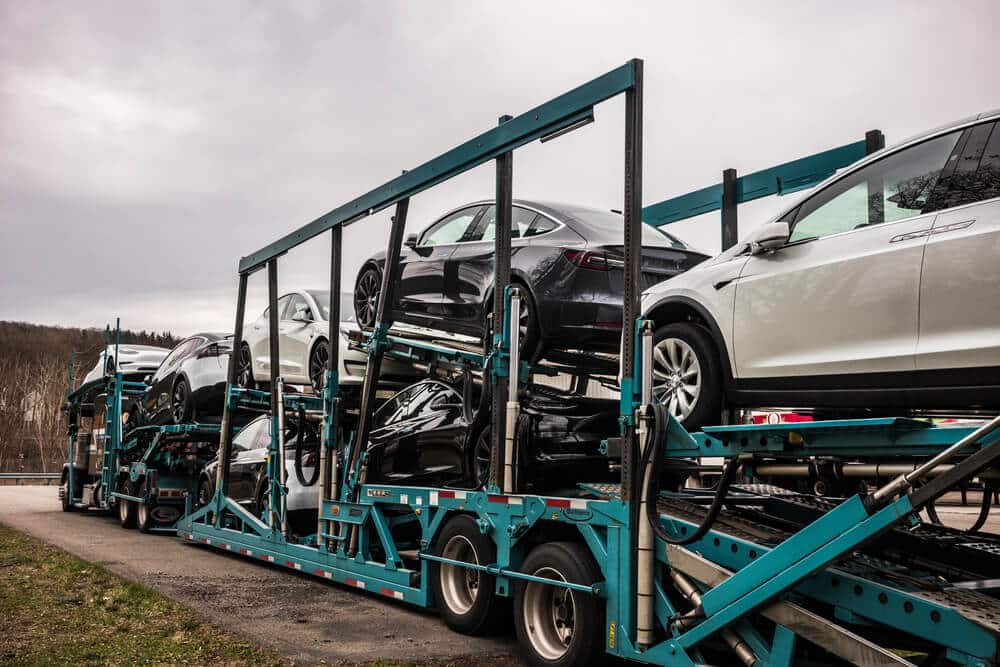
Transporters, with lengths of 75 to 80 ft (23 to 24 m), cannot fit.
Weather risk
Road conditions are dangerous or completely closed.
Delivery commitments to other customers
The routes need to fit multiple vehicles.
State and federal regulations
Weight limits and low overpasses restrict access.
Fuel pricing differences
Even a small detour can add hundreds of dollars in fuel.
It’s not that we won’t do it, it’s that we want to preserve your car and we want to get it there.
Choose a Reliable Transport Service That Communicates Clearly
Choosing a good transport company also makes a difference in how much control you feel over the situation, as a good transport service will keep you informed of their route choices.
Why Car-Transport.org is a smart choice:
- Transparent route planning
- Professional dispatch coordination
- Flexible pickup and delivery options
- Drivers who prioritize safety and efficiency
- Customer-first support for timing and route concerns
They also clearly explain the routing for every trip, so that you never have to wonder where your car is or why your driver is taking a particular route.
Real-world example
Car-Transport.org accepted the order of a customer to transport their vintage Porsche to them, avoiding the cold northern regions in December, and organized a southern route to follow mandated transport routes. The customer was provided with regular updates during the transportation process.
You Don’t Choose the Exact Route—But You Do Have a Say
But do you actually get to pick your route? Sort of! Your pickup location, drop-off location, preferred transport date, weather and regional conditions to consider, vehicle transport type or urgency to which you require the vehicle to be transported are all up to you. Communication is key. Communicate early and communicate often. Set expectations. Work with an auto transport company. The company treats your vehicle like you would. For a smooth, customer-oriented auto transport process that keeps you up-to-date on the status of your vehicle, head over to Car-Transport.org today. They make the process of moving your vehicle as easy and simple as possible for you.
